Hydro Jetting: What Hudson Valley Homeowners Should Know
We’re the Good Folkes People
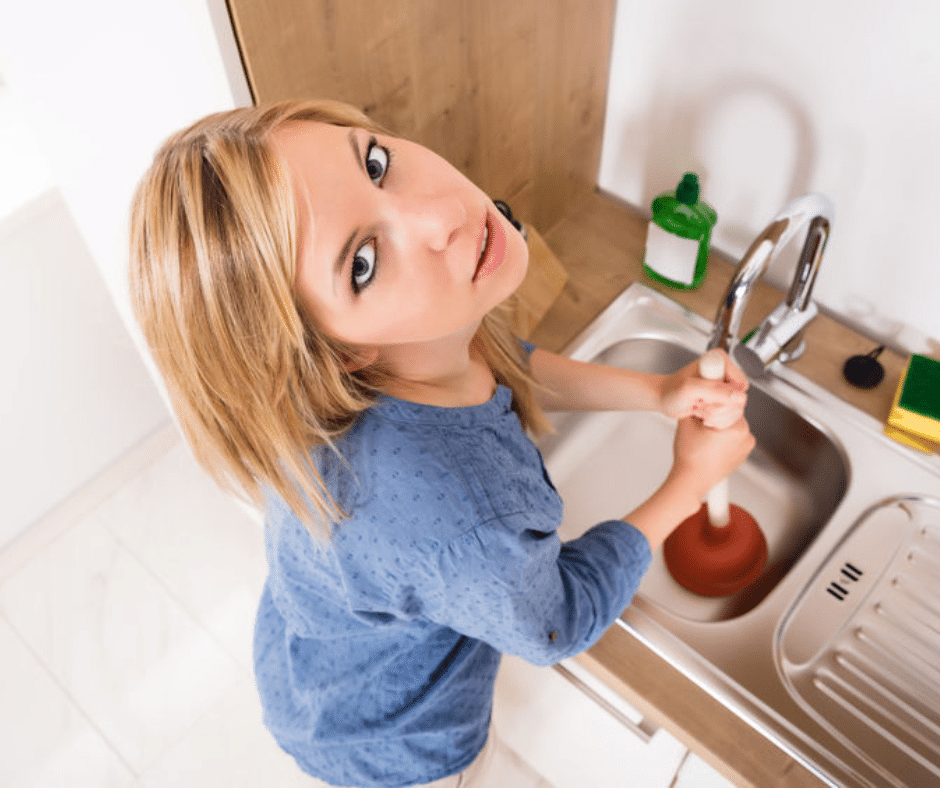
When the kitchen sink slows down again just before guests arrive, it is tempting to repeat the last quick fix. But a drain that keeps clogging may need a more complete assessment. Hydro jetting is one professional cleaning method worth understanding before you decide how to address the problem.
For homeowners in Poughkeepsie, Fishkill, and the surrounding Hudson Valley, the useful question is not simply whether jetting is powerful. It is whether the method fits the blockage and the condition of the pipe. Folkes Home Services can assess your drain cleaning needs and discuss an appropriate next step.
How hydro jetting cleans a drain
Hydro jetting uses a specialized hose and nozzle to direct pressurized water through a drain or sewer line. The water loosens deposits on the inside of the pipe and carries the released material along the line. It can address accumulated grease, sludge, and other residue in suitable piping.
A drain cable works differently: it can break through or retrieve an obstruction to reopen a passage. Jetting can provide more extensive cleaning of the pipe walls when buildup is the problem. These tools serve different purposes, and a professional should choose the approach after evaluating the situation.
When should you ask about hydro jetting?
A single hair clog does not automatically require a main-line cleaning. Ask about further investigation if a blockage repeatedly returns, several drains slow down together, or wastewater backs up into a lower fixture. Gurgling and persistent odors are also useful symptoms to report, although they do not establish the cause on their own.
Before calling, make a short list of which fixtures are affected and when the symptoms occur. For example, does a shower drain back up only when the washing machine empties? Did the problem return soon after a previous service? Specific observations help the technician narrow down what needs attention.
If sewage or wastewater is actively backing up, stop using the affected plumbing and request help promptly. Keep people and pets out of the affected area. Do not keep flushing or running appliances in an attempt to push the blockage through.
Five questions to ask before the work starts
1. What appears to be causing the restriction?
Grease buildup, an object lodged in a pipe, and a damaged sewer line are different problems. Ask the technician to explain the findings and why the proposed cleaning method is appropriate. An assessment should guide the work rather than a symptom alone.
2. Would a camera inspection be helpful?
A sewer camera can help show visible buildup, roots, or damage in accessible portions of a line. Its view may be limited by standing water or a heavy obstruction. Ask whether inspection before or after cleaning would provide useful information. Learn more about inspections through our drain and sewer services.
3. Is the pipe suitable for hydro jetting?
Pipe condition matters. A fragile, severely deteriorated, or collapsed line may require another approach. Tell the technician about previous leaks, repairs, or known pipe damage. High-pressure equipment belongs in trained hands, with the method matched to the plumbing.
4. What does the proposed service include?
Discuss access to the line, the cleaning scope, any inspection, and the estimate before work begins. Ask how the result will be checked and what happens if the technician discovers a problem that cleaning cannot resolve. This keeps the next steps clear.
5. What should happen if the clog returns?
Repeated restrictions can point to an unresolved underlying issue. Ask what findings would justify follow-up, maintenance, or a repair. There is no universal cleaning interval that every household needs.
Cleaning and sewer repair solve different problems
Hydro jetting does not rebuild a broken pipe, correct a collapsed section, or seal an opening where roots have entered. Removing material can improve flow in a suitable line, but it does not eliminate every reason a sewer may clog again.
If the assessment reveals structural damage, review the available sewer repair options. The condition and location of the damage should guide that conversation. If your home uses a septic system, mention it when scheduling so the team can consider the whole drainage setup.
Small habits that help after drain cleaning
With holiday cooking and extra household activity ahead, reducing what goes down the drain is a practical place to start:
- Collect cooled fats, oils, and grease for disposal in the trash.
- Scrape food scraps into the trash before washing dishes.
- Use sink and shower strainers and clean them regularly.
- Keep wipes, paper towels, and hygiene products out of toilets.
- Report recurring slow drainage instead of waiting for a complete backup.
These habits help reduce incoming debris. They cannot repair a damaged line or guarantee that a drain will never clog. Avoid combining chemical drain products, and tell the technician about any product already used before service begins.
Quick answers about hydro jetting
Is hydro jetting the same as using a pressure washer?
No. Professional jetting uses equipment and nozzles designed for drain and sewer work. A household pressure washer is not a substitute for a plumbing assessment and appropriate service equipment.
Can jetting solve every slow drain?
No. A localized obstruction, venting issue, or damaged pipe may need a different solution. The cause of the symptom must be established first.
Is routine jetting necessary for every home?
No. Any maintenance plan should be based on the line’s condition and service history. Ask for a recommendation specific to your plumbing.
Talk with Folkes about recurring drain trouble
Folkes Home Services has served the Hudson Valley since 1998. We help homeowners in Poughkeepsie, Fishkill, and nearby communities assess drain concerns and discuss solutions. Request service or call (845) 288-0974. Share your address, the affected fixtures, and whether you have an active backup so the team can confirm coverage and scheduling.
Service in Your Neighborhood
Serving the Hudson Valley & Surrounding Area
 All Service Areas